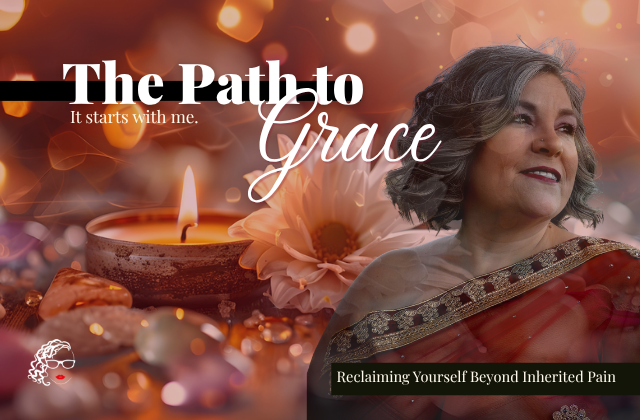
The Path to Grace
It starts with me. For years, I thought I was healing my own pain. And in many ways, I was. I worked through grief, trauma, loss, shame, fear, anger, and relationships that left lasting marks. Every layer I uncovered helped me better understand myself, but eventually I began noticing something I couldn't ignore. Some of the things I was carrying didn't seem to belong entirely to me. The reactions were mine. The coping mechanisms were mine.
But the roots felt much older.
As I looked more honestly at my family history, I began seeing the same emotional patterns repeating across generations. Fear. Silence. Hypervigilance. People pleasing. Emotional disconnection. Survival strategies passed from one generation to the next like an inheritance no one ever asked for. That realization changed everything. I stopped asking, "What's wrong with me?" Instead, I began asking a different question. "What have I been carrying?" That question became the foundation of The Path to Grace. Because here's what I've come to believe. Many of us spend years trying to fix ourselves without realizing we're living from survival patterns that were never meant to define us. This isn't about blaming our parents. It isn't about judging our ancestors. It isn't about becoming someone new. It's about recognizing what you've been carrying, understanding how it shaped the way you learned to survive, and gently reclaiming the person you've always been beneath inherited pain.

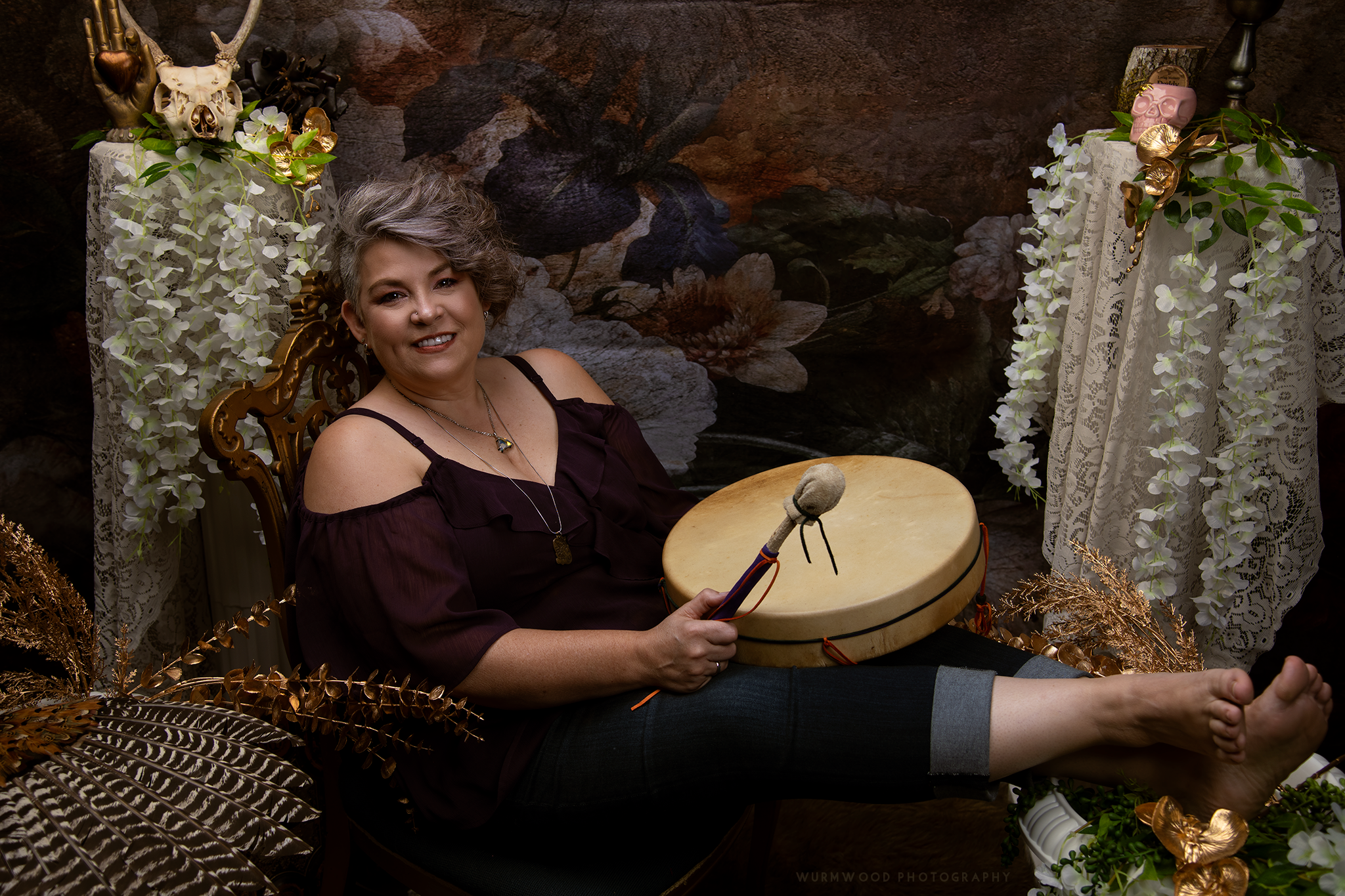
Sometimes, it’s not about fixing yourself.
Sometimes it's about understanding yourself. One of the biggest misconceptions about healing is that every uncomfortable emotion means something is broken. I don't believe that. I believe many of us have spent years trying to fix ourselves without ever understanding how we learned to survive. Our responses to life are shaped by our experiences, our nervous systems, and sometimes by patterns quietly passed through generations. What was inherited doesn't have to be permanent. Understanding your story doesn't change the past. It changes what you choose to carry forward.
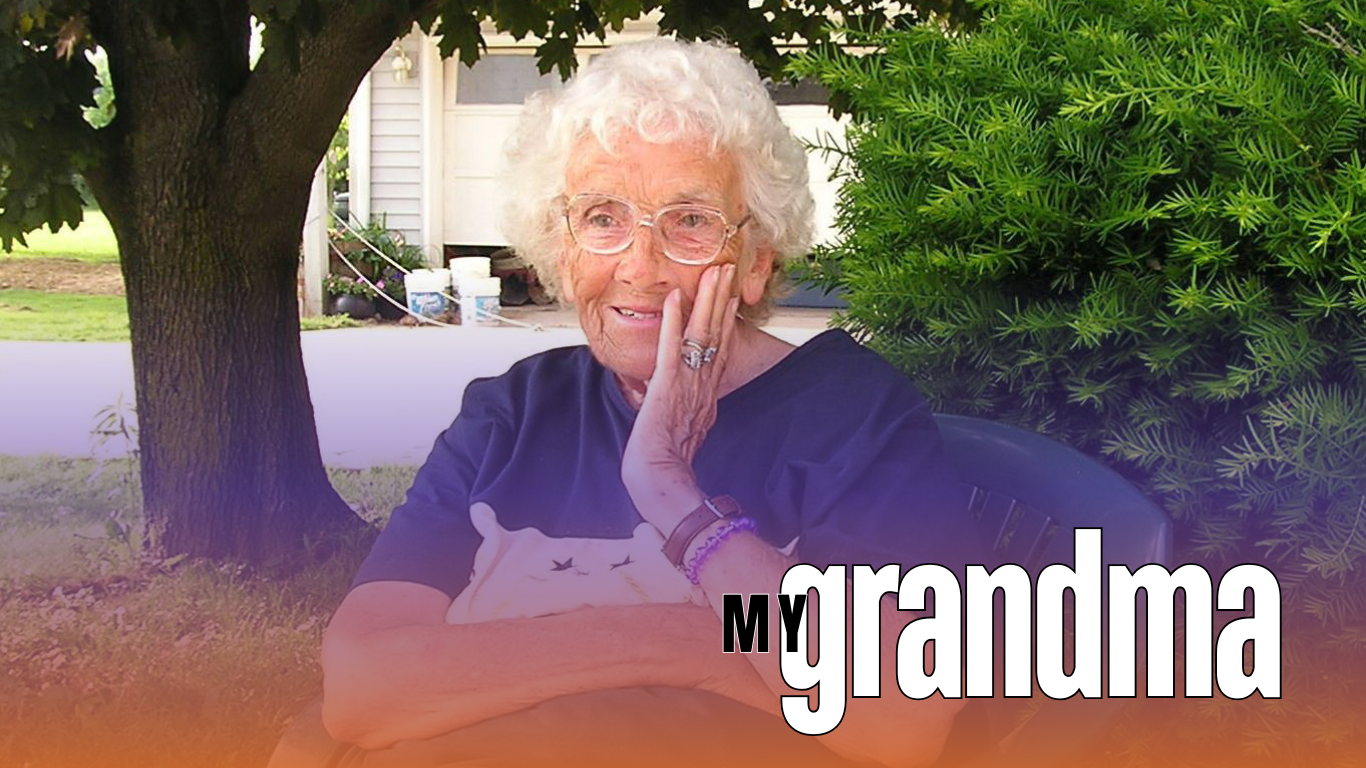
This work changed my life.
The Path to Grace began with my own healing journey, but over the years it grew into something much bigger. As I worked with students and clients, I realized the same emotional patterns showed up again and again. Different families. Different histories. Different stories. Yet beneath them lay many of the same survival strategies: people-pleasing, perfectionism, hyper-independence, emotional shutdown, fear of abandonment, and the quiet belief that somehow they weren't enough. The names and faces changed, but the patterns didn't. I realized we often mistake survival for personality. Many of the ways we learn to survive don't begin with us—they're passed quietly from one generation to the next until they simply feel like "who we are." The Path to Grace isn't about changing who you are. It's about recognizing the survival strategies you've mistaken for your identity so you can begin reclaiming the person you've always been beneath inherited pain.
Five Signs Survival May Be Running the Show
1. You feel responsible for everyone else's happiness. You walk into a room and immediately start managing energy. You know who's upset, who's uncomfortable and it feels like your job to fix it. 2. Rest makes you uncomfortable. The moment you slow down, guilt shows up. There is always one more thing to do, one more person to help, one more responsibility demanding your attention. 3. You understand the pattern, but it keeps showing up. You've promised yourself things would be different. Yet somehow you find yourself responding the same way. 4. Your reactions feel bigger than the situation. Sometimes a disagreement, criticism, or disappointment hits harder than it should. It's as though something much older is being touched. 5. You've become so accustomed to surviving that you're not entirely sure who you are without it. After years of being the caretaker, peacekeeper, achiever, or strong one, it can be difficult to remember who you are beneath those roles. None of these patterns mean there's something wrong with you. They often make perfect sense once you understand how they helped you survive. That's the journey we'll take together inside The Path to Grace.
Does this feel familiar?
Life looks fine on the outside, but underneath it all, you're exhausted. Not because something terrible is happening today, but because you've spent years carrying responsibilities, expectations, and emotional burdens without ever stopping to ask what they're costing you. Somewhere along the way, survival became normal. The guilt. The overthinking. The people pleasing. Always putting yourself last. The same relationship patterns repeat no matter how hard you try to change them. Maybe you've already done a lot of healing. You've read the books, gone to therapy, journaled, meditated—or perhaps you found your way here after reading one of my book chapters and recognized pieces of yourself. And yet, there are still moments when your reactions feel bigger than the situation. Moments when you catch yourself thinking: "I know better... so why do I still do this?" That's often where the deeper questions begin. Not, "What's wrong with me?" But, "What have I been carrying?"

Why choose me and The Path to Grace?
For a long time, I thought healing meant fixing myself. I believed if I learned enough, forgave enough, or understood enough, I'd eventually reach a place where the past no longer affected me. Instead, I discovered something much gentler. Healing wasn't about becoming perfect. It was about learning to meet myself with grace. Grace for the ways I survived. Grace for the parts of myself carrying burdens that didn't begin with me. Grace to take responsibility for my own healing without carrying responsibility for everything that came before me. That's when I realized healing isn't about erasing the past. It's about understanding it, choosing what you'll carry forward, and releasing what no longer belongs to you. That's why I named this journey The Path to Grace. Because healing doesn't begin with perfection. I've made a lot of mistakes along the way. It begins the moment you stop asking, "What's wrong with me?" and start asking, "What have I been carrying?"

Why I am qualified to write this program.
I didn’t create *The Path to Grace* because I figured out how to heal all my ancestral wounds, tied them up with a pretty little spiritual bow, and achieved enlightenment. That would be bullshit. I created this program because I live this work. I know what it is like to look at the patterns running through a family and realize, *Oh shit. Some of this didn’t start with me... but if I’m not paying attention, it sure as hell can keep going through me.* I have spent years examining the beliefs, survival patterns, emotional wounds, expectations, and family conditioning I inherited. And I still do this work every damn day. Not theoretically. In real relationships with real family members who can push real buttons that apparently remain fully operational despite years of spiritual development. Because nothing tests your healing quite like family. My work as a professional psychic medium, ordained Spiritualist minister, spiritual teacher, and end-of-life doula has allowed me to sit with people during some of the most vulnerable moments of their lives. I have spent years helping clients explore their relationships with themselves, Spirit, their families, their ancestors, and the stories they have carried about who they are supposed to be. But my qualifications for *The Path to Grace* aren't only hanging on my wall. They're in the boundaries I have had to learn to set. They're in the relationships I have had to look at differently. They're in the things I once blamed other people for before asking the much harder question: "What is mine to heal here?" They're in recognizing when an old survival version of me has walked into the room and deciding whether she still needs to run the show. They're in learning that ancestral healing isn't about blaming our parents, grandparents, or the generations that came before us. It's about understanding what was handed down, recognizing how it shaped us, and deciding what we are willing to carry forward. And sometimes, despite knowing all of that, I still fuck it up. Then I get another opportunity to practice. That is The Path to Grace. I am not teaching this program from a pedestal, and I will never promise to “heal” you. I am a spiritual mentor, not a therapist, and this work is not a replacement for professional mental health care when that support is needed. What I can do is walk beside you. I can give you the practices, questions, meditations, reflections, and spiritual tools that have helped me recognize what belongs to me, what I inherited, and what I no longer want to carry. I can hold space while you begin asking some uncomfortable questions of your own. And I can remind you that this work isn't about becoming the perfectly healed person at the end of eight weeks. Hell, I'm still doing it. It's about becoming conscious enough to recognize the pattern when it appears and having enough grace for yourself to choose what happens next. It starts with me. It started with me when I began doing this work. And The Path to Grace exists because I believe generational change starts exactly the same way.
You can’t change what came before you. You can change what continues through you.
The Path to Grace is your invitation to understand what you inherited, recognize how it still lives through you, and begin choosing what you carry forward.